Get Fence Staining
Fence staining services help property owners protect, restore, and enhance the appearance of wood fences by applying stain to prevent damage and improve curb appeal.
If you're considering enhancing the appearance and durability of your property’s fencing, you’re in the right place. Fence staining services can help protect wood surfaces from weathering, extend their lifespan, and improve curb appeal. Property owners in the area often explore staining options to maintain their outdoor spaces, prevent damage, and achieve a polished look that complements their landscape. As you plan your project, comparing local contractors can ensure you find experienced professionals who understand the specific needs of your property.
Continuing with your project involves exploring your options for qualified service providers nearby. Many local contractors offer fence staining services tailored to different styles and materials, helping property owners achieve their desired results. By reviewing local options, you can identify experienced specialists who can assist with planning and executing your fencing project effectively. Keep reading to learn more about how local pros can help you protect and beautify your outdoor space.
- Fence Staining for Wood Privacy Screens - ideal when enhancing the appearance and durability of privacy fences.
- Deck Fence Staining - recommended for homeowners looking to protect and refresh their deck borders.
- Garden and Yard Enclosure Staining - suitable when maintaining the integrity of outdoor fencing around gardens.
- Commercial Fence Staining - needed for businesses aiming to improve the look and longevity of fencing around commercial properties.
- Vintage or Decorative Fence Restoration - appropriate for restoring the color and protection of older or decorative fencing styles.
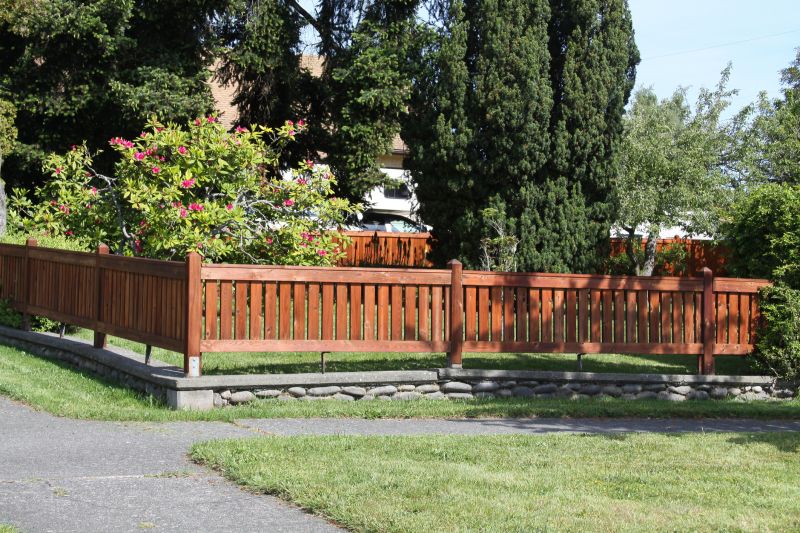
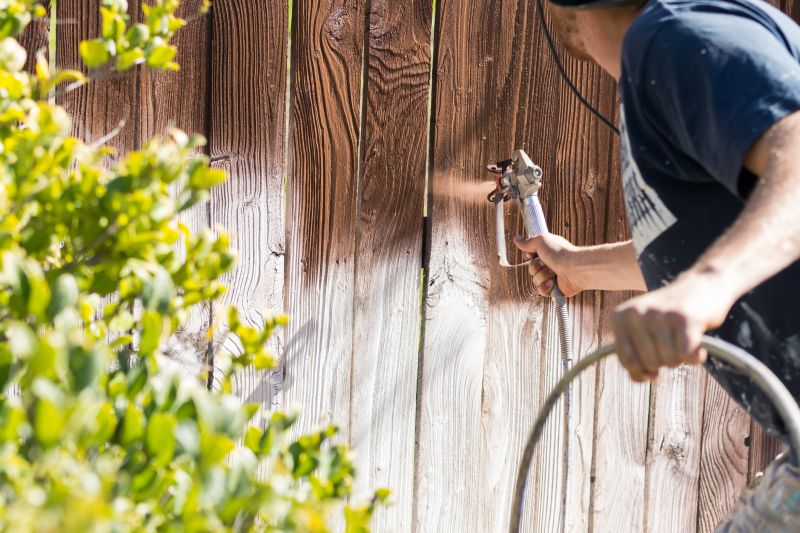
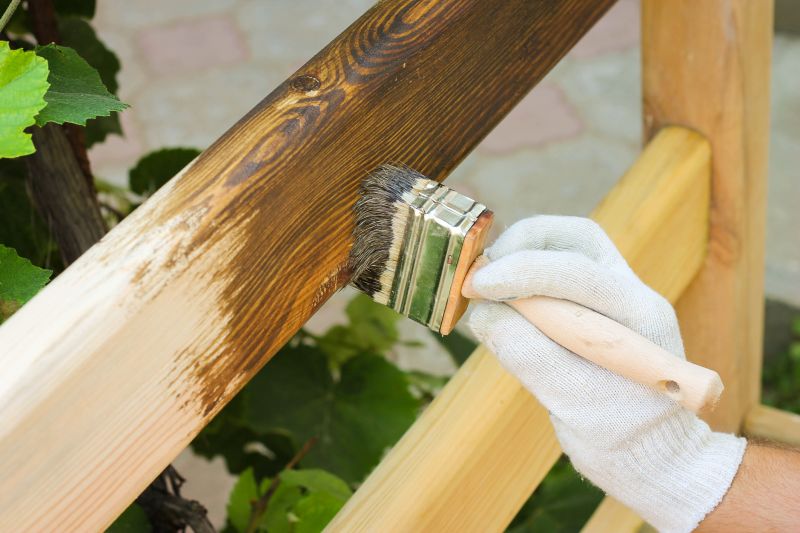
Fence staining services involve applying a protective and decorative finish to a wooden fence to enhance its appearance and extend its lifespan. This process typically includes cleaning the fence surface, sanding or preparing it to ensure proper adhesion, and then applying a stain or sealant that penetrates the wood. The goal is to improve the fence’s visual appeal while providing a barrier against moisture, UV rays, and other elements that can cause deterioration over time. Professional service providers use specialized tools and techniques to ensure an even, long-lasting finish that maintains the natural beauty of the wood.
One of the primary reasons homeowners opt for fence staining is to address common problems such as fading, graying, or peeling paint that can occur with exposure to the elements. Over time, wood fences can develop cracks, splinters, or become discolored, which not only diminishes curb appeal but can also lead to structural issues if left untreated. Staining helps to restore the fence’s appearance and provides a protective layer that reduces the risk of rot, mold, and insect damage. Regular staining can be an effective way to maintain the integrity of a wooden fence and prevent costly repairs later on.
Fences are used on a variety of properties, including residential yards, farms, and commercial premises. Homeowners often choose staining services for fences surrounding their homes, decks, or gardens to improve aesthetics and increase property value. Rural properties with large open spaces or agricultural settings may also benefit from fence staining to protect boundary fences from weathering. Additionally, commercial properties with wooden fencing can use staining to maintain a professional appearance and prolong the lifespan of their fencing investment. In general, any property with a wooden fence that shows signs of wear or aging can benefit from professional staining services.
Homeowners may consider fence staining when their fences look dull, faded, or have visible signs of damage. If a fence has become discolored or develops mold, mildew, or algae, staining can help refresh its look and prevent further deterioration. It’s also a practical choice for those wanting to preserve the natural look of the wood while adding a layer of protection. Service providers can assess the condition of a fence and recommend appropriate staining options based on the type of wood, age, and exposure to weather. Regular staining can be a key part of ongoing property maintenance, helping fences stay durable and attractive for years to come.
The overview below groups typical Fence Staining projects into broad ranges so you can see how smaller, mid-sized, and larger jobs often compare in your area.
In many markets, a large share of routine jobs stays in the lower and middle ranges, while only a smaller percentage of projects moves into the highest bands when the work is more complex or site conditions are harder than average.
Smaller Repairs - Typically, fence staining projects for minor touch-ups or small sections range from $250 to $600. Many routine jobs fall within this middle range, depending on fence size and condition.
Standard Staining - For staining entire fences of average size, local contractors usually charge between $600 and $1,200. Most projects of this scale are completed within this typical cost band.
Full Fence Staining - Larger, more comprehensive staining jobs can range from $1,200 to $2,500, especially for extensive or multi-layered fences. Fewer projects reach into this higher tier, but they are common for larger properties.
Complete Fence Replacement - When staining is combined with replacing or rebuilding fences, costs can exceed $5,000. These larger projects are less frequent and depend on the fence’s size and complexity.
Actual totals will depend on details like access to the work area, the scope of the project, and the materials selected, so use these as general starting points rather than exact figures.
Deck Staining and Refinishing - this project involves preparing and applying protective stains, similar to fence staining, requiring surface prep and attention to detail.
Wood Surface Restoration - restoring and sealing outdoor wood surfaces involves similar skills in surface preparation, staining, and finishing techniques as fence staining.
Outdoor Furniture Refinishing - refinishing wooden outdoor furniture involves surface cleaning, sanding, and applying protective finishes, aligning with fence staining processes.
Playground Equipment Staining - applying stains and protective coatings to playground structures requires similar planning, surface prep, and application skills as fence staining.
Siding and Exterior Wood Treatment - treating exterior wood siding involves surface preparation and staining techniques comparable to fence staining services.
Pergola and Arbor Staining - staining outdoor wooden structures like pergolas and arbors involves similar surface prep and finishing methods as fence staining projects.
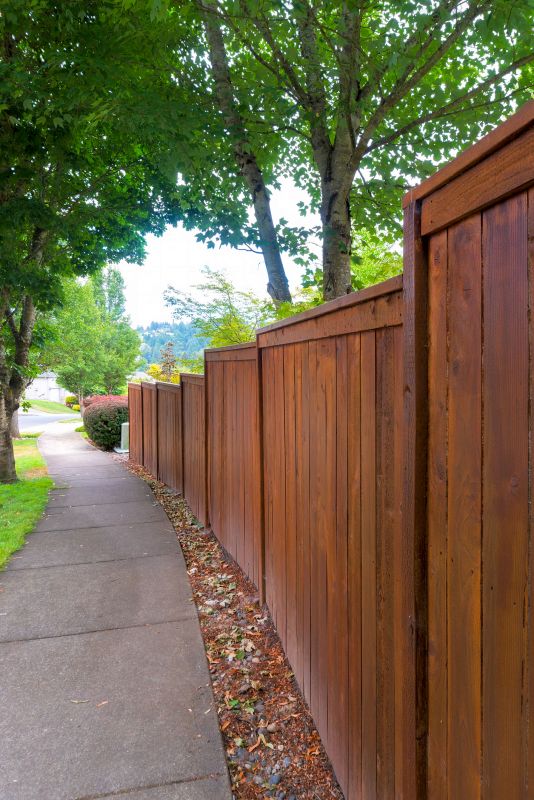
When comparing fence staining service providers, it’s important to consider their experience with similar projects. Homeowners should look for local contractors who have a demonstrated history of working on fences comparable in material, size, and style to their own. An experienced service provider will understand the nuances of different wood types, stain applications, and weather considerations, helping to ensure a quality outcome. Asking about past projects or viewing portfolios can provide insight into a contractor’s familiarity with fence staining and their ability to deliver results that meet expectations.
Clear, written expectations are essential when evaluating local contractors for fence staining. Homeowners should seek detailed proposals that outline the scope of work, types of stains or finishes to be used, preparation procedures, and any warranties or guarantees offered. Having this information in writing helps prevent misunderstandings and provides a basis for comparison between different service providers. It’s also beneficial to ask how the contractor plans to handle potential issues, such as surface imperfections or weather delays, to ensure transparency and alignment on the project’s process.
Reputable references and good communication are key factors in choosing the right local pros for fence staining. Homeowners can request references from previous clients to gain insight into the contractor’s reliability, work quality, and professionalism. Additionally, effective communication during the initial inquiry process can indicate how responsive and attentive the service provider will be throughout the project. A contractor who clearly answers questions, provides thorough information, and demonstrates a willingness to listen is more likely to foster a positive working relationship and deliver a satisfactory result.
Property owners use Fence Staining services for practical projects around their homes and businesses. This guide focuses on everyday jobs and straightforward project options.
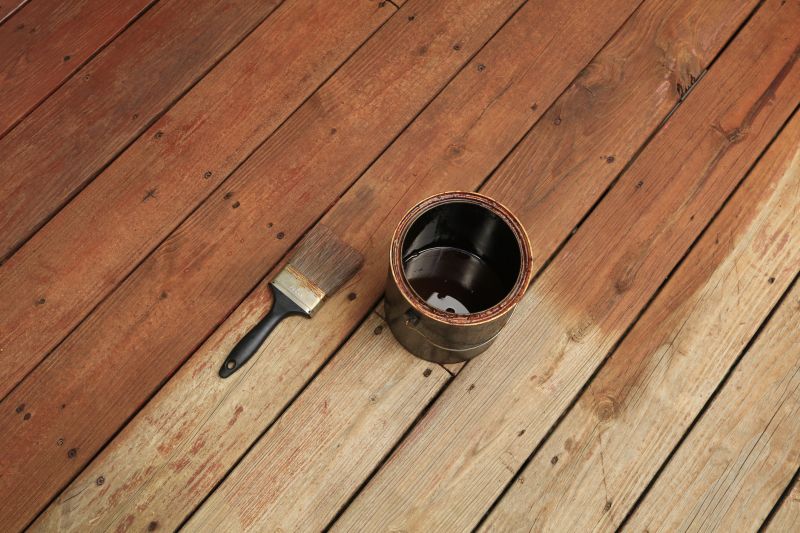
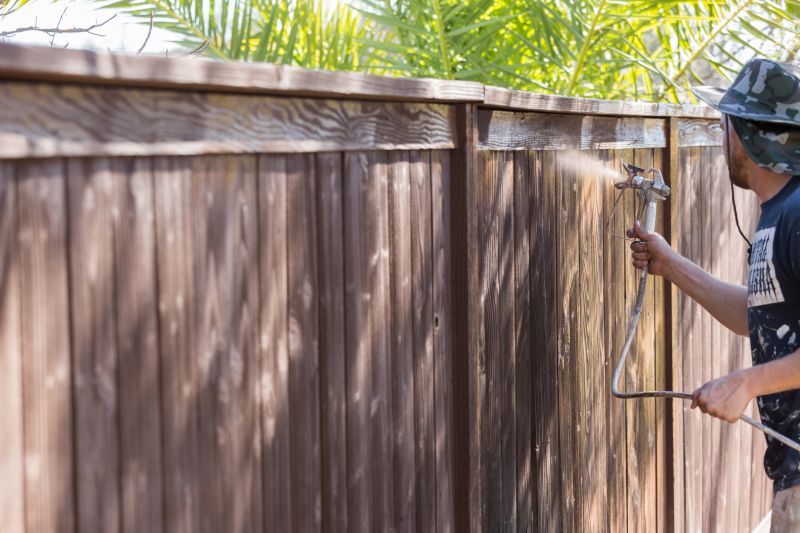
Fence staining services are commonly sought after by property owners who want to enhance the appearance of their outdoor space or protect their fencing from weather-related wear. Whether a homeowner is preparing to sell their property or simply looking to improve curb appeal, local contractors can provide the expertise needed to refresh and maintain fences, making them look new again. Additionally, those experiencing faded or discolored fencing may turn to local service providers to restore the original look and extend the life of their investment.
Many property owners consider fence staining when they notice signs of aging, such as peeling or dull finishes, or after completing landscaping projects that highlight the fence’s condition. Others might want to add a new stain color to match their outdoor decor or improve privacy and security. Local contractors offer a range of staining options tailored to different fence materials and styles, helping property owners protect their fences while achieving a polished, well-maintained appearance.
What is fence staining? Fence staining involves applying a protective and decorative finish to wooden fences to enhance their appearance and help prevent damage from the elements.
Why should I consider staining my fence? Staining can improve the look of a fence, add color, and provide a layer of protection against weathering and rot.
What types of stains are available for fences? There are various stains, including transparent, semi-transparent, and solid stains, each offering different levels of color and protection.
How do local contractors prepare a fence for staining? They typically clean the fence thoroughly, remove any peeling paint or stain, and allow the wood to dry before applying a new coat.
Can fence staining be done on any type of wood? Most common fencing materials like cedar, pine, and redwood are suitable for staining, but it's best to consult with a local service provider for specific recommendations.
Fence Maintenance Ideas - Regular staining can help preserve the appearance and integrity of a fence, making it easier to maintain over time.
Property Enhancement Projects - Staining a fence can improve curb appeal and create a cohesive look for outdoor spaces.
Privacy and Security Improvements - Fresh stain can enhance the privacy provided by a fence while protecting it from weather-related damage.
Seasonal Decoration Planning - A well-stained fence provides a clean backdrop for seasonal decorations and outdoor gatherings.
If you are thinking about Fence Staining for a property, this guide is meant to help you understand the work, the typical project types, and how different options might fit your plans.
When you are ready, you can use the quote form on this page to share a few details about your project. From there, local pros can review the basics and respond with options that match what you have in mind.