
Popular Window Trim Painting Products For Professional-Looking Results
Explore essential products trusted by experts to deliver smooth finishes and lasting durability for your window trim projects.
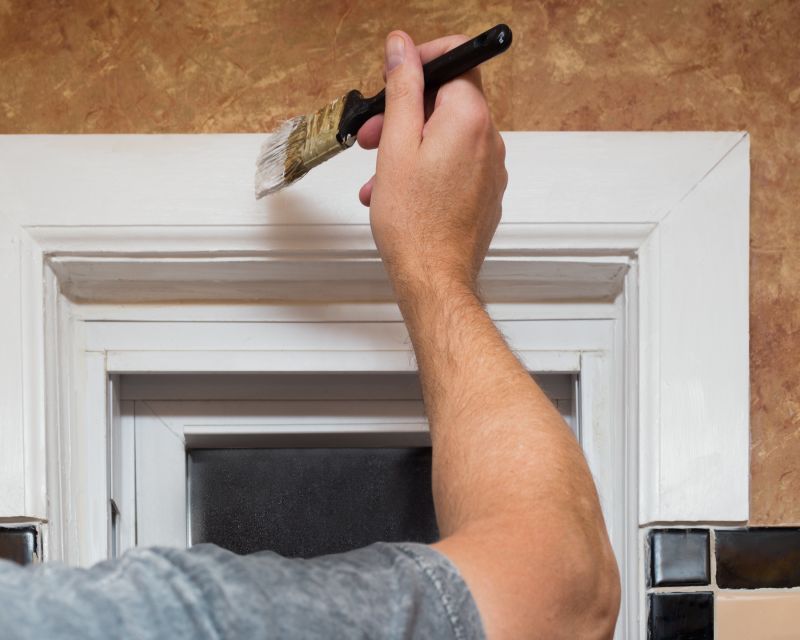 Window trim paintings serve as a decorative accent that can enhance the aesthetic appeal of a room. They are often used to add a touch of elegance, color, or visual interest to window frames and surrounding areas. When selecting products for window trim paintings, it is important to consider the type of surface, the desired finish, and the overall style of the space. Different products offer various textures, sheens, and application methods, making it possible to achieve a range of decorative effects.
Top Overall Option
Premium All-Purpose Trim Paint
A versatile, high-quality paint designed specifically for trim surfaces, offering excellent adhesion, smooth application, and a durable finish. Suitable for various types of window trim materials, it provides a refined look with minimal effort. Its formulation is designed to resist chipping and peeling, making it a reliable choice for long-lasting results.
Types of Products For Window Trim Paintings
Acrylic Latex Paint
A popular choice for its ease of use, quick drying time, and washable finish, suitable for most window trim surfaces.
Oil-Based Paint
Known for durability and a smooth finish, ideal for high-traffic or frequently cleaned trim areas.
Chalk Paint
Provides a matte, vintage look that can be easily distressed for a shabby chic style.
Faux Finish Coatings
Includes products like faux wood grain or marble effect paints for decorative accents.
Metallic Paints
Adds a shimmering or reflective quality to window trims for a modern or glamorous appearance.
Textured Coatings
Offers a tactile finish that can add depth and interest to trim surfaces.
Spray Paints
Provides quick, even coverage for large or intricate trim areas, ideal for professional or DIY projects.
Enamel Paints
Known for a hard, glossy finish that resists moisture and wear.
Latex Primer
Prepares surfaces for painting, ensuring better adhesion and longevity of the topcoat.
Bonding Primers
Designed for difficult surfaces or previously painted trims to improve paint adhesion.
Clear Sealants
Used as a protective topcoat to enhance durability and resistance to moisture.
Decorative Stains
Provides a tinted, semi-transparent finish that highlights wood grain or adds color.
Specialty Finishes
Includes products like crackle or glow-in-the-dark paints for unique decorative effects.
Eco-Friendly Paints
Low-VOC or zero-VOC options for environmentally conscious projects.
High-Gloss Paints
Creates a shiny, reflective surface that emphasizes trim details.
Matte Finish Paints
Offers a non-reflective surface that can hide imperfections and provide a sophisticated look.
Semi-Gloss Paints
Balances durability and appearance, suitable for trims that require some sheen.
Popular Choices
Widely used for its ease of application and clean-up, suitable for various trim surfaces.
Favored for its smooth finish and durability, especially in high-traffic areas.
Popular for achieving vintage or distressed looks with minimal prep.
Chosen for decorative accents and textured effects on window trims.
Trending for adding a metallic sheen to trim details for a modern aesthetic.
Preferred for quick application on large or complex trim areas.
Selected for their hard, glossy finish and resistance to wear.
Commonly used as a base coat to improve adhesion and finish quality.
Ideal for challenging surfaces or previously painted trims.
Popular as a protective topcoat to extend the life of painted trims.
Chosen for highlighting wood grain or adding subtle color accents.
A go-to choice for trims needing a balance of sheen and durability.
Favored for a non-reflective, elegant finish that conceals imperfections.
Applying paint or decorative finishes to window trim requires careful preparation and the right tools to ensure a smooth, durable, and visually appealing result. High-quality primers can improve adhesion and longevity, while specialized paints or finishes can provide the desired sheen and texture. For intricate or detailed trim work, brushes with fine bristles or small rollers may be preferred, whereas larger surfaces might benefit from spray or roller application.
In addition to traditional paints, there are also decorative products such as faux finishes, metallic paints, or textured coatings that can add unique visual effects to window trims. Choosing the appropriate product depends on the existing decor, the level of durability needed, and personal aesthetic preferences. Proper ventilation and surface preparation are essential for achieving the best results, along with following manufacturer instructions carefully.
Overall, the selection of products for window trim paintings should align with your project goals, whether that is a subtle enhancement or a bold statement. Investing in quality supplies can make the application process easier and the finished look more refined. Consider testing a small area first to ensure compatibility and satisfaction with the chosen product before proceeding with larger sections.
Key Buying Considerations
- Surface material compatibility: ensure the product is suitable for wood, MDF, or other trim materials.
- Finish type: decide between matte, semi-gloss, gloss, or specialty finishes based on aesthetic preference.
- Durability requirements: consider whether the trim will be exposed to moisture, cleaning, or high traffic.
- Application method: choose between brushes, rollers, or spray for efficiency and finish quality.
- Drying time: select products with appropriate drying times for your project schedule.
- Ease of cleanup: opt for low-VOC or water-based options for easier cleaning and less odor.
- Color options: verify the availability of the desired color or finish to match your decor.
- Primer compatibility: determine if a primer is needed for better adhesion or to cover previous finishes.
- Environmental conditions: consider indoor vs outdoor use and climate factors.
- Cost and coverage: evaluate the coverage rate to ensure cost-effectiveness for larger projects.
- Brand reputation: select products from reputable manufacturers for consistent results.
- Application tools: ensure you have the right brushes, rollers, or sprayers compatible with the product.
- Finish durability: assess resistance to chipping, peeling, or fading over time.
- Compatibility with decorative effects: if using faux or textured finishes, verify the product's suitability.
- Safety considerations: check for low odor and non-toxic formulations if working in enclosed spaces.